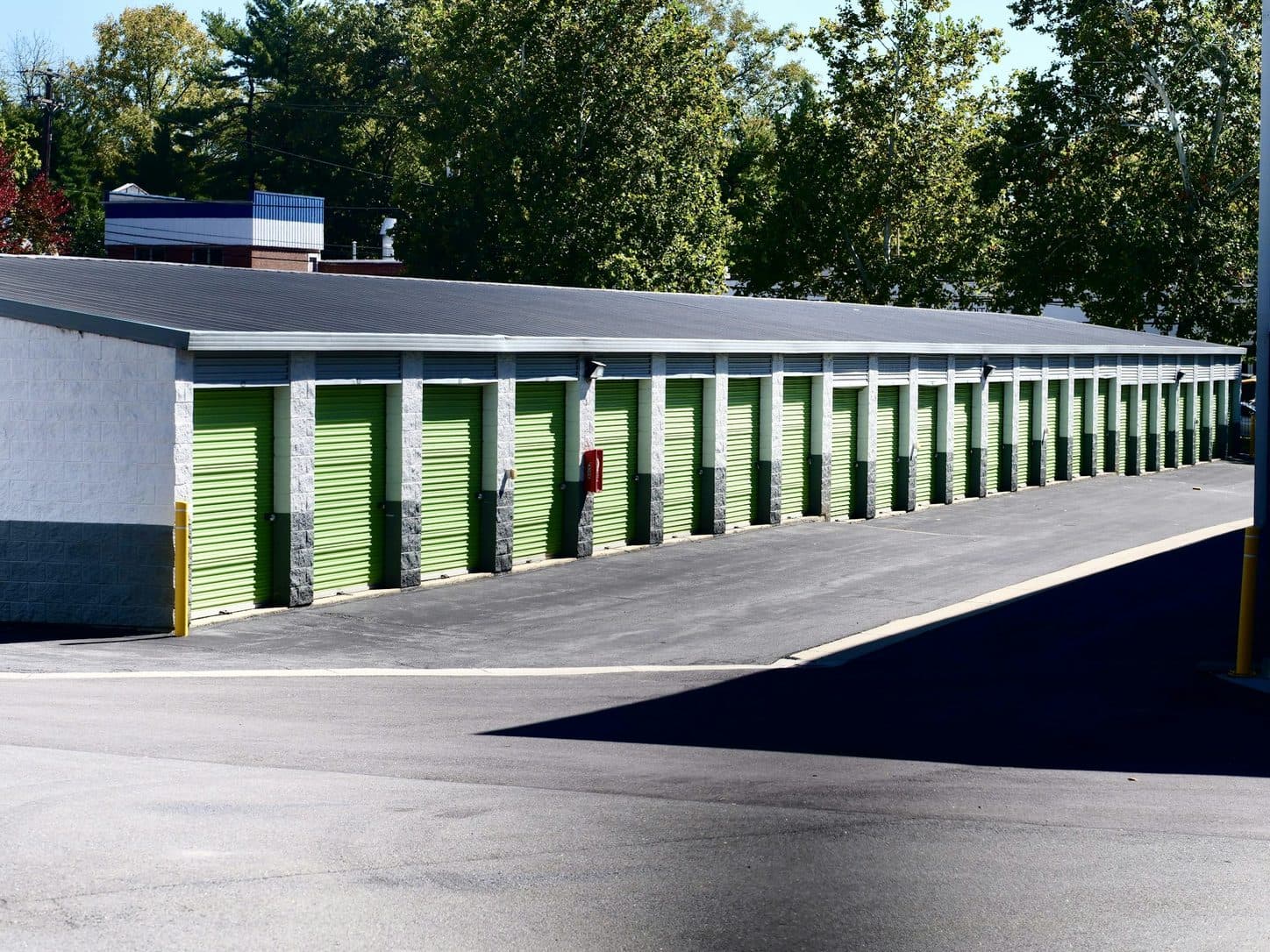
Quick answer: storage between apartments means your belongings leave the old home on moving day, are held in a storage space arranged through the moving company for an agreed period, and are delivered to the new home when you are ready. MovingIL is your one contact, in English on WhatsApp, and you receive one closed price that spells out the move in, the storage period and the move out. We do not own or run storage space. Before you agree, the terms of the storage itself are written to you in the chat.
Who does what. The crew, the trucks and the storage space come from the independent moving company that carries out your job, or from a storage operator it works with. MovingIL coordinates the chain and keeps one written list of what goes in, what comes out and when. If the storage is run by someone other than the mover, we say so, and we put the questions below to them on your behalf.
Why people store things in Israel. The most common reason is a gap between two homes: a lease ends on the last day of the month while the next one begins halfway through the following month, or an apartment bought from a contractor is not ready on the date in the contract. Others are emptying an apartment for a renovation, leaving the country for a few months, or moving out during an urban renewal project (pinui-binui), when a building is demolished and rebuilt. Olim who buy furniture before they have found an apartment sometimes need somewhere to put it. Reservists, students going home for the summer and families on a one-year posting abroad turn up too. Each case has a different length of stay, and the length is what shapes the arrangement.
What we can promise and what we cannot. We can promise a written list, one closed price and one person to ask. We will not describe storage in terms the operator has not confirmed. Nothing about temperature or humidity control, security systems, opening hours or cover for damage is stated unless the operator has confirmed it in writing and we have passed it on to you in the same words. Facilities differ a great deal. A private room behind a locked door, a caged section on a shared floor and space on pallets are three different products, and the price and the risk differ accordingly.
Questions worth asking about any storage space, whoever runs it. What exactly is rented: a private room, a section of a shared floor, or pallet space? Who else has access or a key? On which days and at what hours can you get in, how much notice does a visit need, and does the facility close for Shabbat and Jewish holidays? What is the monthly price after the minimum period, and how much notice ends the arrangement? What happens to your things if a payment is missed? What cover applies if something is damaged, who holds it, and does your own home contents policy extend to goods in storage? Is the space above ground, ventilated and checked for pests? If the contract is in Hebrew only, ask for the key terms in English in the chat before you sign. We are not lawyers and this is not legal advice. It is a checklist, so that you ask before you pay.
Preparing furniture for an Israeli summer in storage. The coast is humid for much of the year, and a closed room that heats up in summer is hard on wood, leather, mattresses, books and electronics. Clean and dry everything before it goes in. Use cotton sheets or other breathable covers rather than sealed plastic, which traps moisture. Keep furniture off the floor on pallets or blocks and leave a little air around it. Empty and defrost the refrigerator, wipe it dry and prop the door open. Drain the washing machine and let it dry. Take the batteries out of anything that has them. Nothing edible, no plants, and no flammable liquids or gas canisters go into storage.
Make an inventory before the crew arrives. Number every box and crate and keep a simple list that says which number holds what. Photograph the larger pieces, including any existing marks, and send the photos to the chat, so that there is a dated record of how things looked when they went in. Pack the things you might want during the storage period together, label them, and ask whether they can be placed where they can be reached. People forget this step and then pay for a delivery to get a winter coat.
Storage means two moves, not one. Your belongings are loaded and carried twice, once into storage and once out, and both legs involve stairs, elevators and parking. The closed price shows the two legs separately, so you can see what the storage adds. Plan the second leg early: building access and elevator booking at the new address, a delivery day that is not the same day the keys are handed over, and someone to open the door. If the date of the second leg is not known yet, say so, and ask how much notice the storage terms require.
Think about what really needs storing. Storage is billed month after month, and a basic flat-pack wardrobe can end up costing more to keep for a year than to replace. Do the arithmetic before you store anything of low value. Heirlooms, good furniture, books you will actually read and children's things worth keeping are the usual candidates. Selling or donating the rest before the move is often the sounder decision, and it makes the move in and the move out lighter.
What is not stored. Vehicles, perishable goods, plants, pets, cash, jewelry, important documents and anything hazardous or illegal. Keep passports, certificates, contracts and valuables with you or with someone you trust. Disposal of unwanted furniture and clearing out an apartment are not part of this service.
If you are abroad. Many people store their belongings in Israel while they spend a year overseas. This works on WhatsApp, with conditions. Someone must be at the old home to let the crew in and check the list, and you need a name and a phone number for the person who will receive the delivery later. Agree in advance who may ask for items to be released from storage, and make sure the operator has that name. We coordinate moves inside Israel only, and we do not ship anything abroad.
How the price works. There is no price list on this page. The closed price on WhatsApp covers the move into storage, the storage period and the move out, on separate lines, and it states what is and is not included. The main drivers are the volume, the length of the stay, the floors and elevators at the three addresses involved (old home, storage and new home) and whether packing is part of it. A fixed period is usually easier to price and plan than an open-ended one. If your dates move, tell us early.
Storage often goes together with packing, moving crates and furniture assembly, and the whole chain is described under full-service moving. If your gap is only a few days, say so, because a short gap may need a different arrangement than a long one. To start, send the rooms and the dates you know on WhatsApp.
What We Offer
Everything you need for professional, quality work
One written list of what goes into storage, what comes out and when
Move in, storage period and move out priced on separate lines
Storage terms confirmed in writing before you agree, with nothing assumed
Preparation advice for Israel's humid coast and hot summers
Packing, crates and furniture assembly in the same plan when you want them
How It Works
Our process, step by step
List what is going
Send the rooms, the large items with photos, the dates you know and the dates you are unsure about.
Agree the terms and the price
The closed price lists the move in, the storage period and the move out, with the storage terms written in the chat.
Inventory and move in
Number and photograph your boxes. The crew loads, labels the load and takes it to the storage space.
Delivery to the new home
Give us your date, within the notice period, and the crew delivers and places your furniture.
What You'll Achieve
Outcomes that make a real difference
A bridge over the gap between two leases or a delayed handover
You know which questions to ask before you sign for storage
Access, notice and cover asked about up front, so fewer surprises later
Frequently Asked Questions
Common questions about Moving and Storage