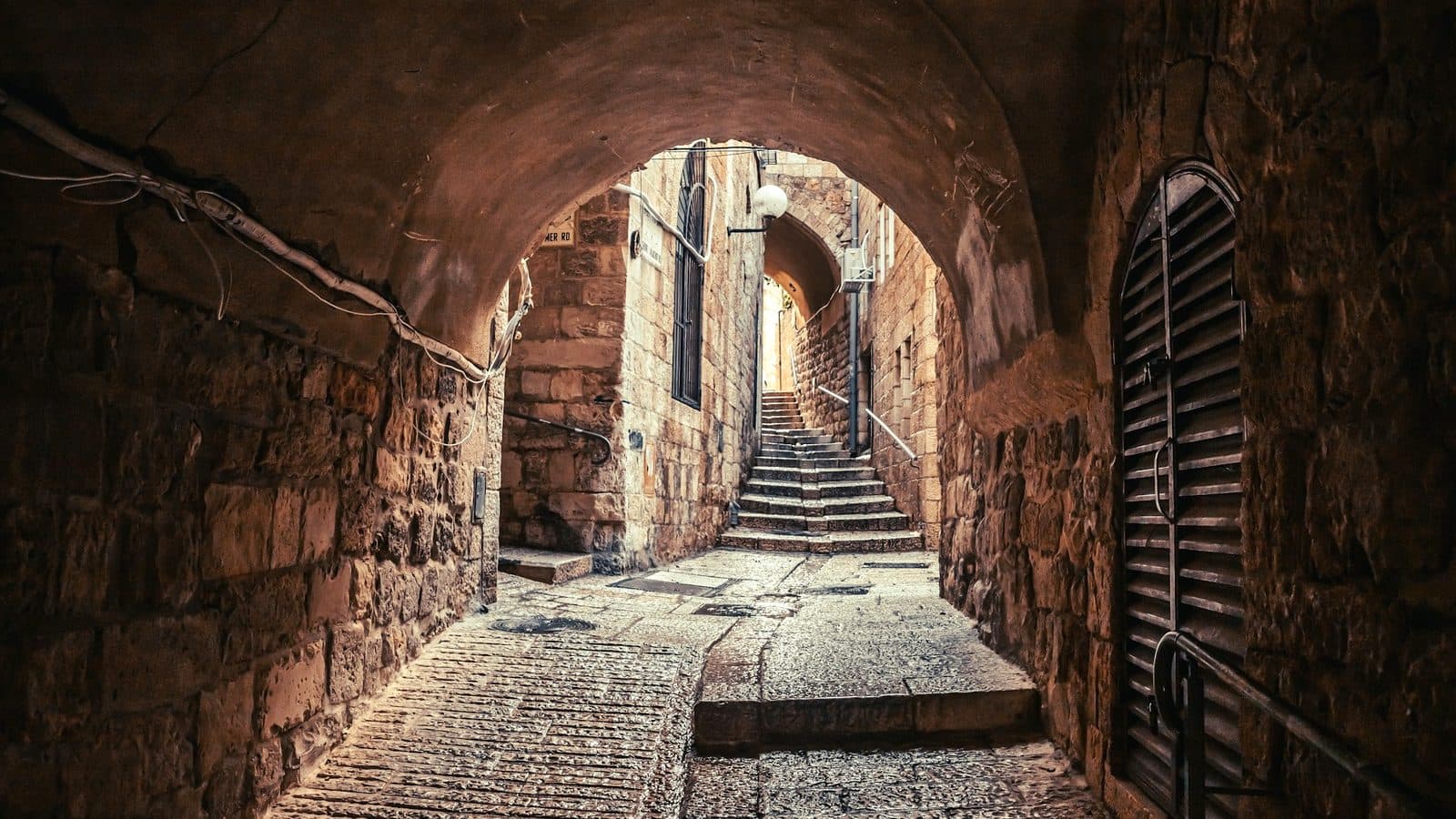
Short answer: we coordinate moves in Jerusalem in English. You send photos or a short video of the stairs, the street and your furniture on WhatsApp, we ask the questions that a Jerusalem building raises, and we come back with one closed price. An independent moving company that works in the city does the carrying. What makes Jerusalem different from the coast is not distance. It is the ground: hills, stone buildings from several periods, stairwells built long before furniture grew, narrow streets with nowhere to stop, and a calendar built around Shabbat and the holidays.
Stone and hills. Buildings in the city are traditionally faced in local stone, so a block from the middle of the last century and a tower from the last decade can look alike from the road while being very different inside. The streets climb, buildings step down the slopes, and the entrance you see from the pavement is not always the floor the movers count as the ground floor. In your video, show the entrance first, then the way up to your door, and only then the flat.
Baka, the German Colony and Katamon. These are popular with English-speaking residents, and they are among the trickier neighbourhoods to move in. Streets are narrow and lined with parked cars, especially around Emek Refaim, where the cafés fill the pavements in the morning and the evening traffic crawls. Many homes are older stone buildings of three or four floors without an elevator. Others are low houses with gardens, outside steps and a gate, and some have tight internal stairs. Old Katamon adds steep side streets. For a stone house with a garden, tell us about the gate, any steps from the street and the carry from the nearest legal parking space. An early start helps with parking.
Rehavia, Nachlaot and the centre. Rehavia is leafy and quiet, with apartment buildings from the first half of the last century, often with narrow stairwells and no elevator, and trees and parked cars limit where a vehicle can stand. Nachlaot, behind the Machane Yehuda market, is a maze of lanes, courtyards and steps: a vehicle often stops on the nearest wide street and the load is carried the rest of the way, which takes longer and is priced accordingly. Around Jaffa Road, the light rail and the pedestrian areas restrict access, so an address near the line may need an approach from a side street. In the Old City, vehicles generally cannot reach the door and everything is carried by hand through lanes and steps. If your address is there, we say plainly whether the move can be done before we quote.
Arnona and Talpiot. In the south of the city, much of the housing is apartment blocks from the second half of the last century, often four floors with a narrow stairwell and sometimes no elevator, standing next to newer buildings of seven floors or more with elevators and underground parking. The difference between those two types matters more than the neighbourhood name. In the newer buildings the question shifts from stairs to scheduling: some have a service elevator, loading hours or a deposit for using it, so ask your building committee (the vaad bayit) a few days ahead.
Har Nof and Ramot. Both sit on hillsides. In Har Nof the buildings are stepped into the slope, so the entrance can be on a different level from the street, and the stairs start lower or higher than you expect. Parking is tight in places. Ramot is spread over several hills with long access roads, and the distance from where a vehicle can stop to your door varies a lot from one part to another. In both, a video of the approach from the street lets us price without guessing. In religious neighbourhoods, remember that Friday afternoons are quiet and a move has to finish well before Shabbat begins.
Stairs, furniture and windows. A wardrobe or a sofa that arrived with the builders may not go down a stairwell with tight turns. The usual answers are disassembly, tilting and carrying, or, in some buildings, lifting a piece over the balcony with special equipment. We cannot promise a lifting solution before we know the building, so tell us early if you think a big item will not fit. Measure the narrowest point on the path, whether a door, a landing or an elevator, and send us the number. Furniture assembly, including taking pieces apart, has its own page on this site.
Parking and permission. Where a vehicle may stop, for how long and whether it needs a permit are decisions of the municipality, and the rules change, so check with the Jerusalem municipality before moving day. A short note to your neighbours helps in a narrow street, and your building committee may have its own rules about loading. Our guide to moving-day parking permits in Israel covers the general process.
Calendar and weather. The city runs on the Jewish calendar. Moving companies generally rest on Shabbat and on holidays, and the festivals of the autumn and Pesach in spring take many working days out of the month. Fridays are short, and in winter Shabbat begins in the mid-afternoon. Winter is colder than on the coast, with rain and wind, and on the rare days when snow settles on the hills, roads close and moves are postponed, so leave a spare day if one lease ends and another begins. Summer is the busiest season, when many families move before school starts.
Working in English. Our conversation is in English from the first question to the last box. We pass the job details to the moving company in Hebrew. Your building will have its own Hebrew notices, committee and landlord. If you are not sure what to ask, we suggest the questions, such as elevator booking and loading hours, and you reply to us by message.
Moves to and from the city. Moves to and from the coast are common. Tel Aviv is about an hour away along Route 1 in light traffic and more at the morning and late-afternoon peaks, so a move to the coast is a long-distance move in the sense that matters: two addresses, two sets of building rules and one road in between. Beit Shemesh, roughly half an hour to the west, is a popular destination for families who want more space, and it has its own page on this site.
Describing your flat. Israeli listings count rooms differently from the way many English speakers do: a three-room apartment usually has two bedrooms and a living room, and a half room is a small extra space. Floors are counted from zero at street level, so the floor above the entrance is the first floor, not the second. When you write to us, give the floor as it appears on the elevator buttons or the building's stairwell sign, and add the number of bedrooms, so that nobody plans the load for the wrong floor.
What to send us. Photos of the entrance, the stairs and the street at both addresses, the floor and the elevator, the larger items, and the dates you can live with. Tell us whether you want packing, furniture assembly or unpacking as well, and we put it in the same closed price.
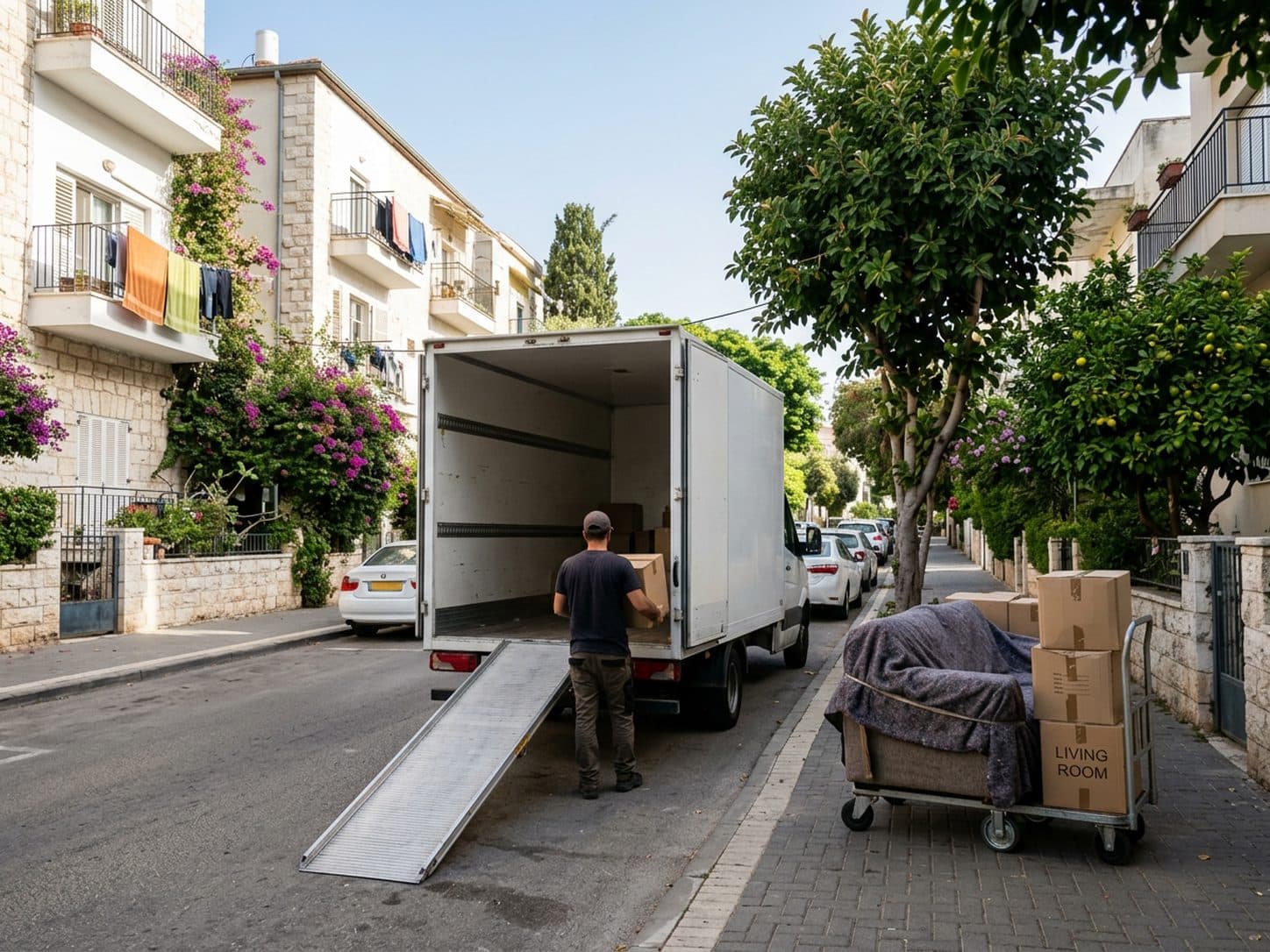

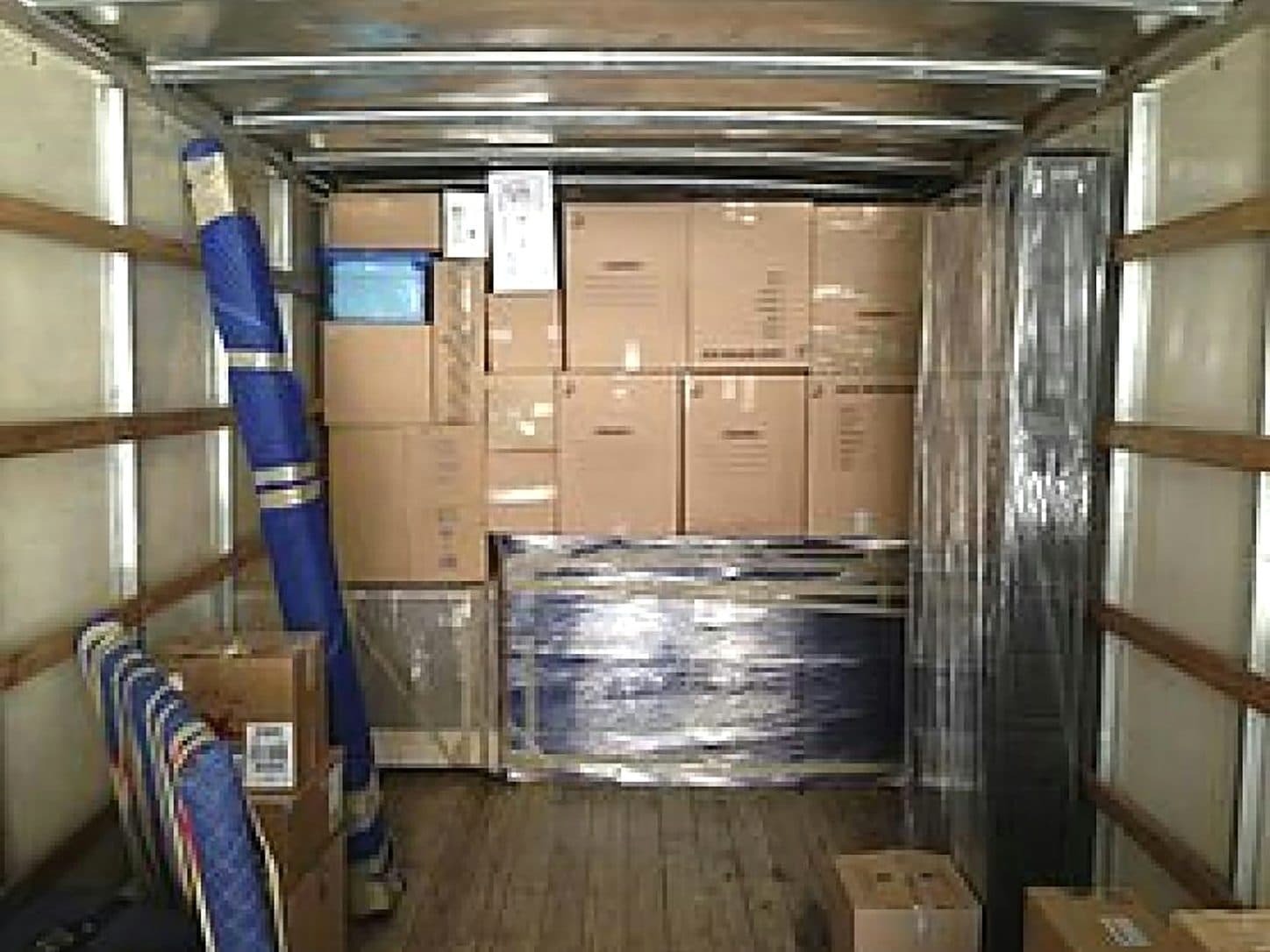

Full-service moving in Jerusalem
One contact for packing, taking furniture apart for the stairs, the move itself and the setup at the other end.
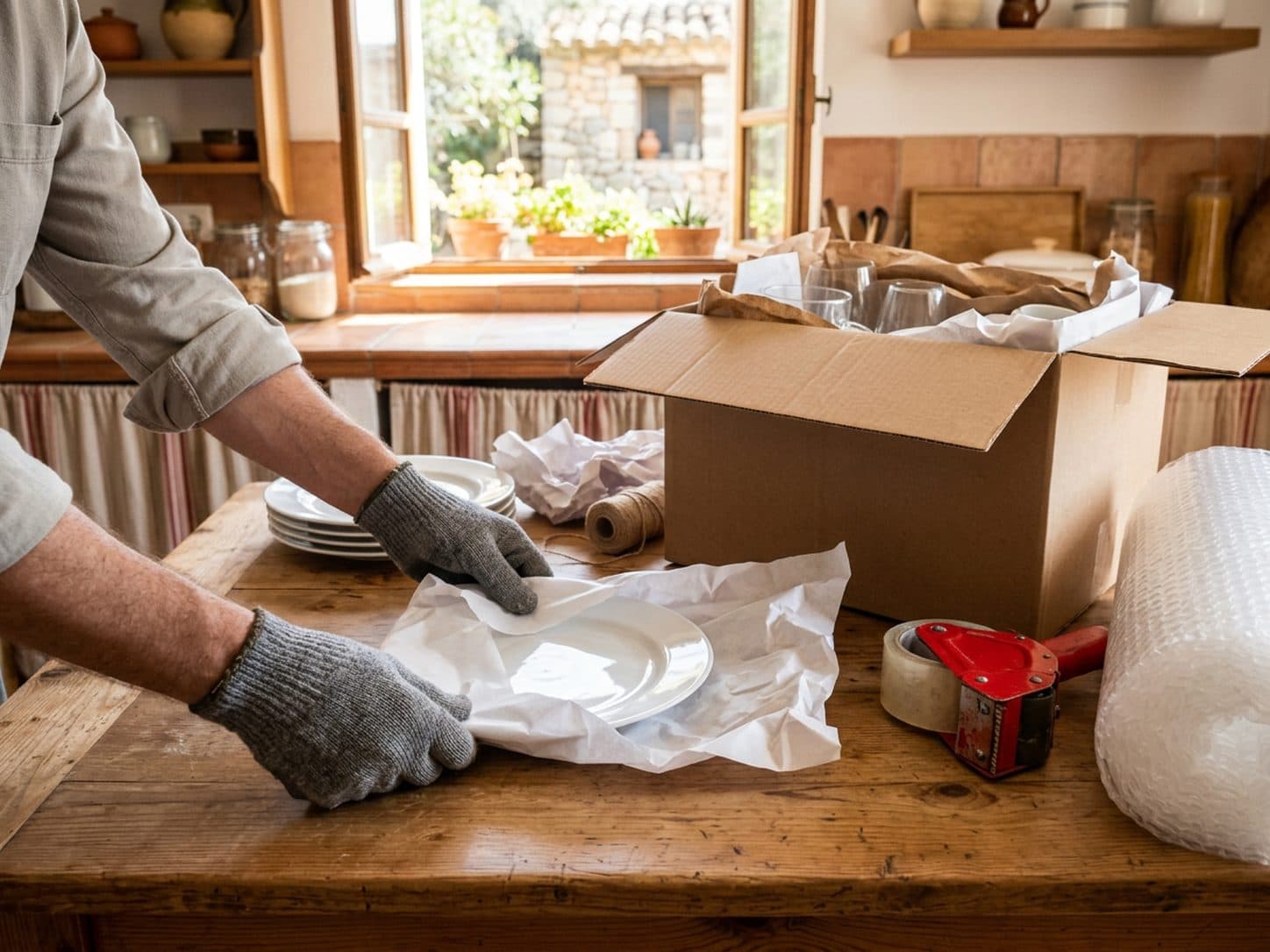
Packing for narrow stone stairwells
Small, dense, labelled boxes that suit a narrow stone stairwell and a long carry from the vehicle.
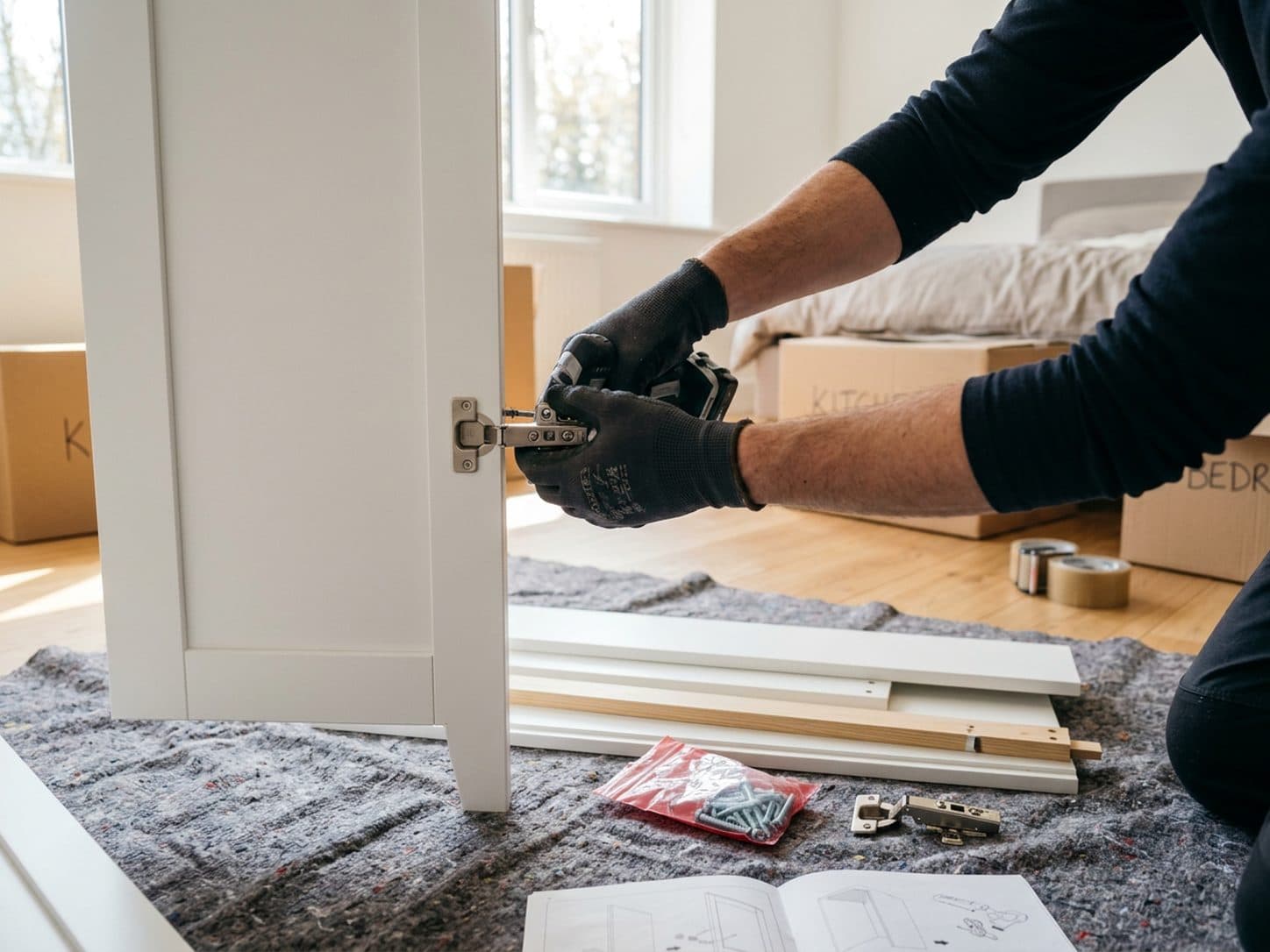
Furniture assembly for tight stairs
Wardrobes, beds and shelving that will not pass a tight turn are taken apart and rebuilt at the new address.
Moving after aliyah in Jerusalem
Help with your moves inside Israel once you are here, from a first rental to the next home, all in English.
Small moves in Jerusalem
Studios, student rooms and one-bedroom flats, priced by the floors and the parking, not by the box count.
Long-distance moves from Jerusalem
From the capital to the coast, Haifa or the Negev, with both buildings and the road planned together.
Frequently asked questions
What does a move in Jerusalem cost?+
There is no number on this page, because the price depends on the volume, the floors and elevator at each address, how close a vehicle can park, the distance between the two addresses, and extras such as packing or assembly. Send photos and the details on WhatsApp, and you receive one closed price in writing.
Can you move me inside the Old City?+
Vehicles generally cannot reach the door there, so everything is carried by hand through narrow lanes and steps. Send us the exact address and a photo of the approach, and we tell you honestly whether it can be done, before we give a price.
Does snow stop a move?+
On the rare days when snow settles on the hills, roads can close and the move is postponed. In winter, leave a spare day between the end of one lease and the start of the next, and tell us if the date is fixed.
Can I move on a Friday?+
Friday is a short day, and Shabbat begins in the mid-afternoon in winter, so a Friday move needs an early start and a small scope. Saturday is Shabbat, and holidays are the same. A Sunday to Thursday date gives you the most room.
My building has no elevator and a narrow stairwell. Will my sofa fit?+
Measure the narrowest point on the way down, such as a door, a landing or a turn, and send us the figure with a photo. We tell you whether it passes whole, needs to be taken apart, or needs another solution.
Who sorts out parking for the vehicle?+
Where it may stop and for how long is up to the municipality and your building, and the rules change. Check before the day, tell your neighbours, and tell us what you find out so we can plan the carry.
Do I need Hebrew for the building committee and the landlord?+
Not to book with us. If you need to ask about elevator use or loading hours, we suggest the questions, and a short message in Hebrew from you or a neighbour usually settles it.
I am moving from Jerusalem to the coast. Is that treated differently?+
Yes. It is an intercity move, with two sets of building rules and Route 1 in between. Timing around the morning and afternoon peaks matters, and our long-distance page explains how we plan it.