Quick answer: MovingIL coordinates apartment and house moves in Beit Shemesh and Ramat Beit Shemesh, in English, from a single WhatsApp conversation. You describe the move, you receive one closed price before anything is booked, and an independent moving company carries out the work. Packing and furniture assembly can be added to the same booking.
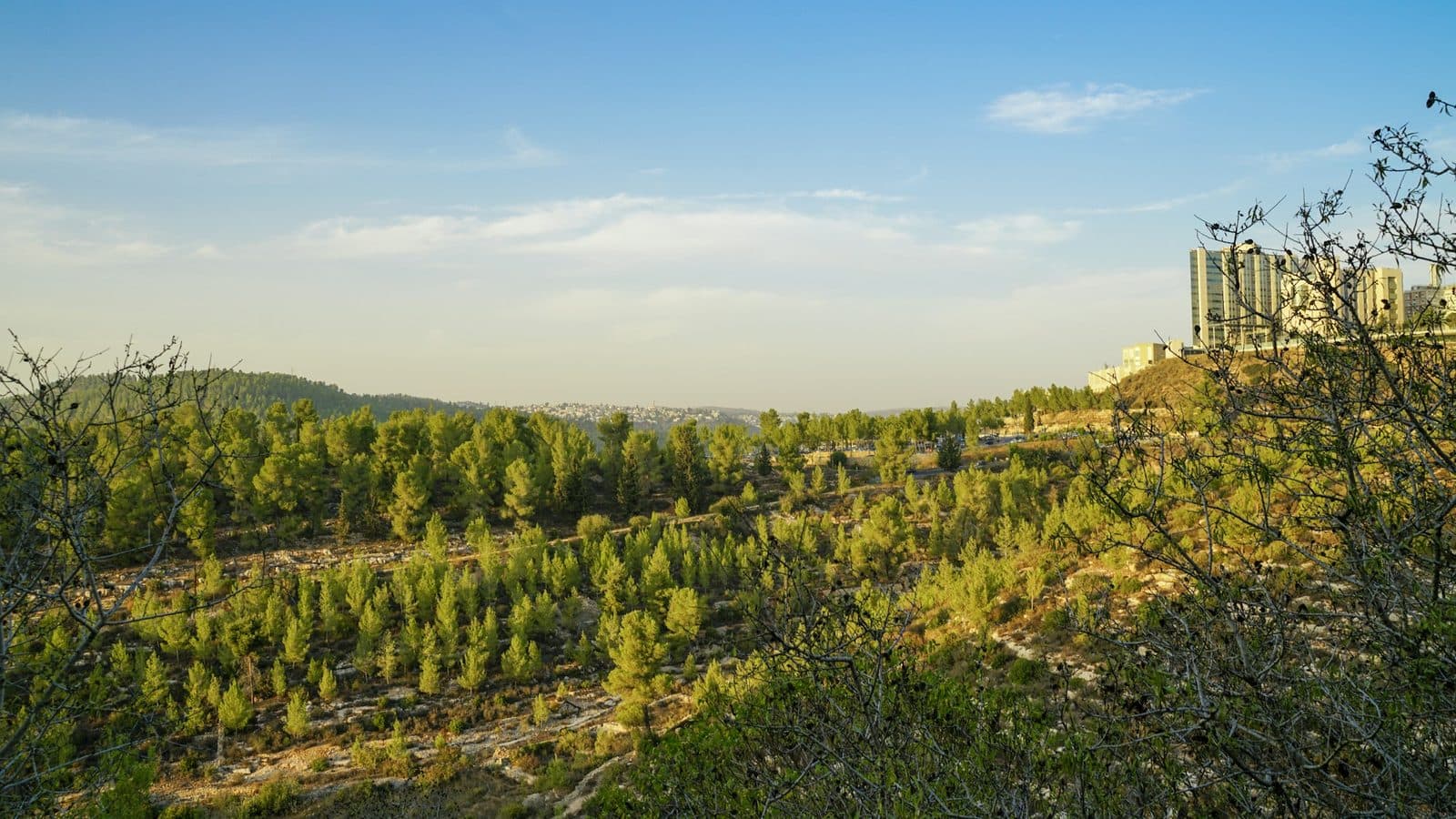
Beit Shemesh sits in the Judean Foothills, about 30 km west of Jerusalem, and has grown fast enough to hold roughly 170,000 residents today. That growth is what makes a move here less uniform than it looks on a map. The old town, Givat Sharett, the Ramat Beit Shemesh neighbourhoods and the newer districts at the edge of the city each have their own street layout, building type and parking situation, so a useful quote starts with the exact building, not just the name of the city.
The old town dates from the early decades of the state and is mostly low-rise: blocks of three or four floors, often without a lift, on streets laid out before most households owned a car. In these buildings the stairwell matters more than the distance. A sofa that clears the front door can still jam on the turn between floors, so measure the stairwell and the landing, not only the doorway, and send photos when you write to us.
Ramat Beit Shemesh is a different kind of place. It was built out in stages on a hill south of Givat Sharett, which is why residents talk about Alef, Bet, Gimmel and Daled, often shortened to A, B, C and D, before they mention a street name. Buildings range from walk-up blocks to taller ones with lifts, households tend to be large, and the slope plus evening parking pressure are the usual constraints. English speakers are well represented, including in Ramat Shilo and parts of Gimmel, so a first or second move after aliyah is a very ordinary job here.
At the edges of the city, newer buildings are the norm and most have a lift, but the surroundings may still be changing: unfinished roads, temporary fencing, no marked parking. If you are moving into a new building, ask the developer or the building management three things before you pick a date: when the lift may be used for moving, whether there is a booking system or a time window, and whether the lobby and the lift need protective covering. The moving company needs all three answers to plan the day.
Many moves here begin or end in Jerusalem. The usual route is Route 38 north to the Sha'ar HaGai interchange and then east on Route 1, around 35 km in all. Outside rush hour that is typically a drive of well under an hour, but Route 1 toward Jerusalem is slow on weekday mornings and the way back is slow in the afternoon, so a mid-morning or early-afternoon crossing makes for a calmer day. It is a regional move rather than a long-distance one: one load, one day, in either direction.
The calendar matters more than usual. Moving companies generally do not work on Shabbat or Jewish holidays, and in winter Friday ends early, so a Friday move has to start at first light. Households that observe the holidays also tend to avoid the days around the High Holidays and Pesach, which makes the weeks before them fill up. The other peak is summer: families want to be settled before school starts on 1 September, so July and August are busy. Booking as soon as you know your date is the single most useful thing you can do.
Heat and slopes deserve a plan too. Summer afternoons in the foothills are hot, which is hard on people and on electronics, candles, medicines and anything held together with glue or wax, so ask for an early start and keep the car in the shade. In winter, wet steps and sloping entrances are slippery, and the movers will want a clear, dry path from the door to the vehicle.
Here is how a move with MovingIL runs. You write on WhatsApp in English with the pickup and delivery locations, the floor, whether there is a lift at each end, roughly how many rooms there are, and any large or fragile items. If the access is unusual we ask for a few photos. We come back with a closed price and a proposed date, and only after you agree do we brief the independent moving company in Hebrew. Nothing is booked until you say yes.
To start, use the WhatsApp button on this page or fill in the quote form. If you are comparing offers, tell us what the other one includes (packing, assembly, a lift) so the two can be compared fairly.
Full-service moving in Beit Shemesh
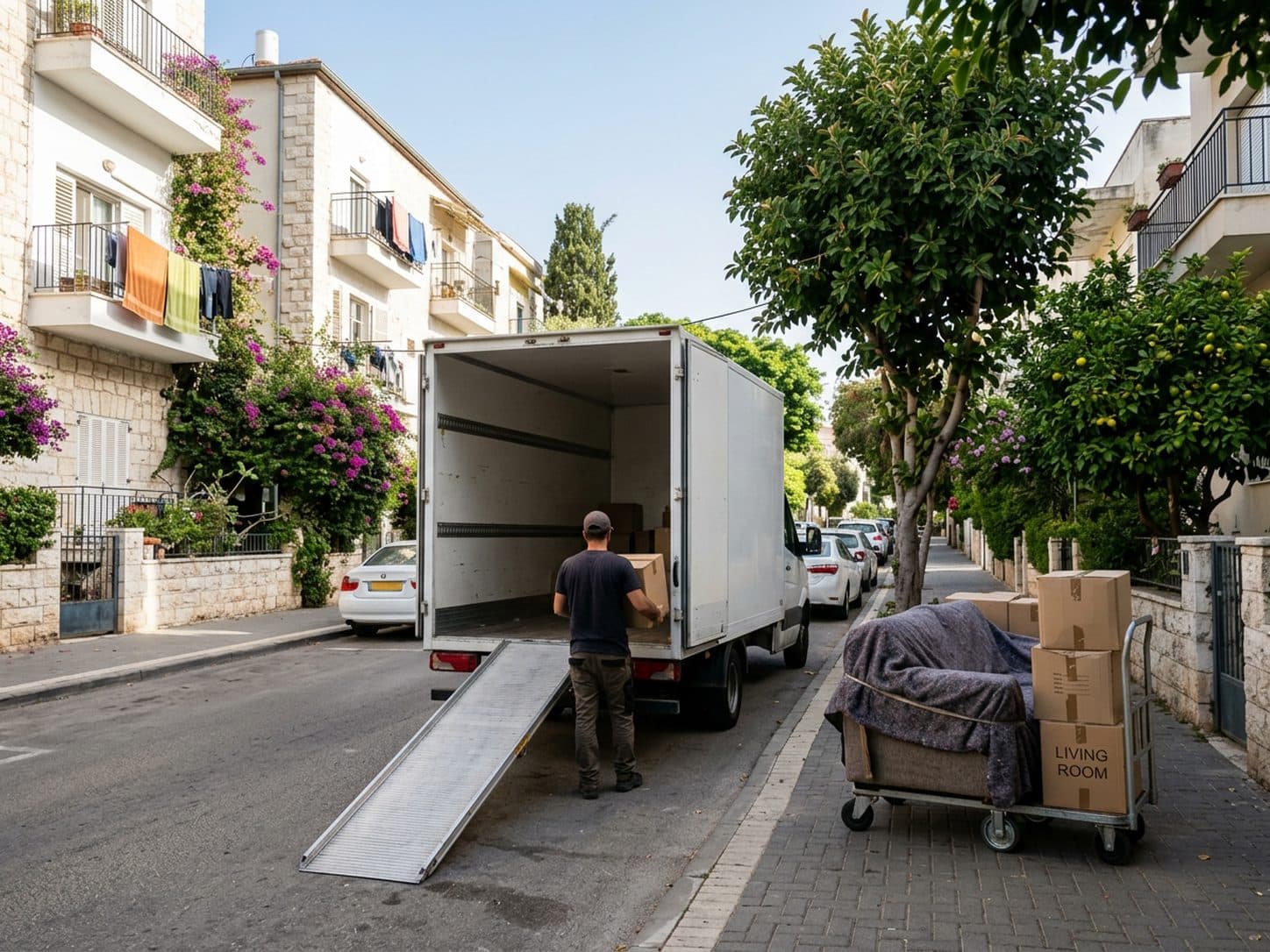
One booking and one WhatsApp conversation cover the whole move, from packing through to unpacking, so a busy family does not have to coordinate separate providers.
Packing for large households
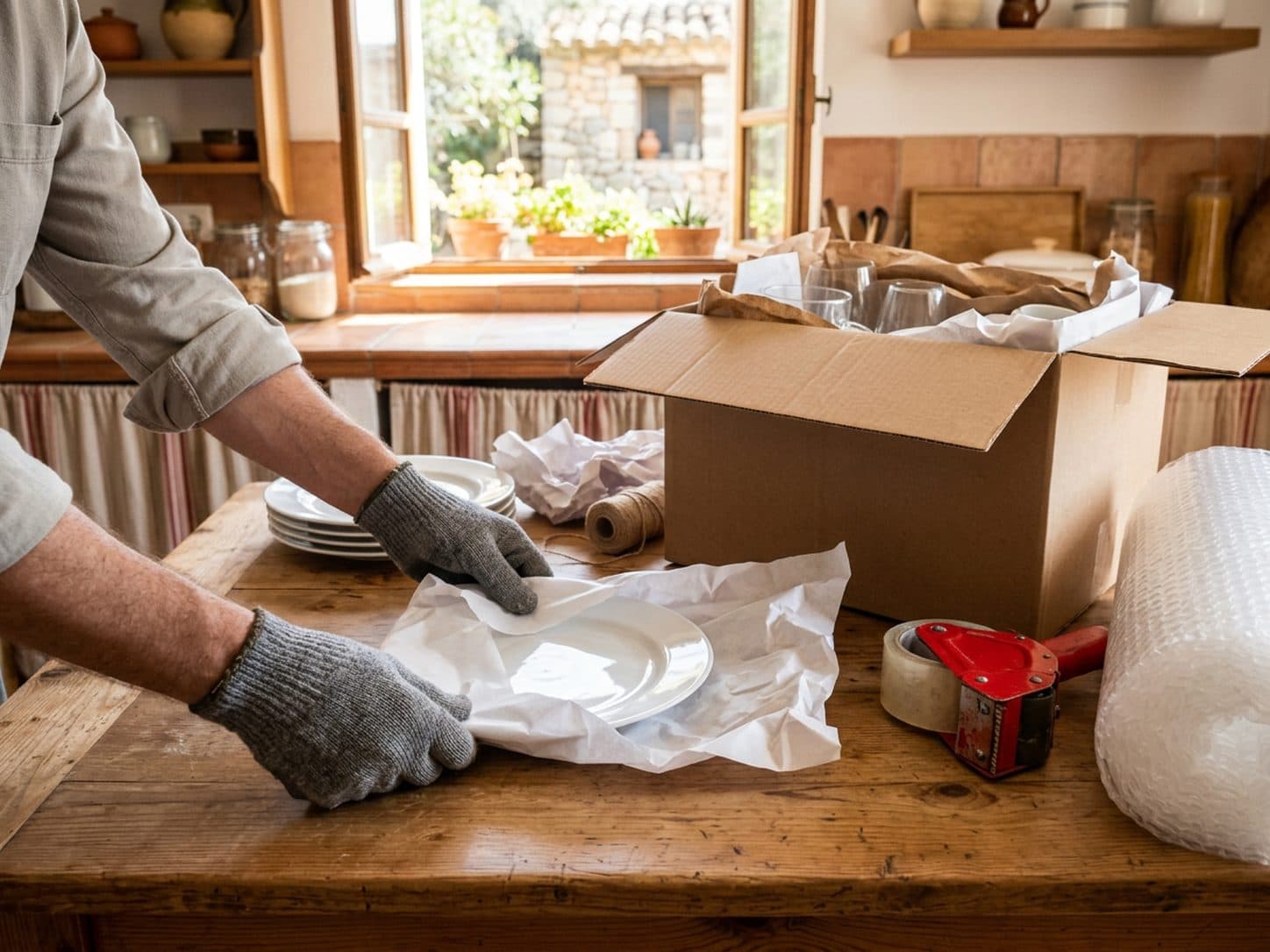
Big families mean a lot of boxes. Leaving the kitchen, the books and the fragile items to the movers' packers can turn two chaotic days into one orderly one, while you keep the personal things.
Bunk beds, wardrobes and closets
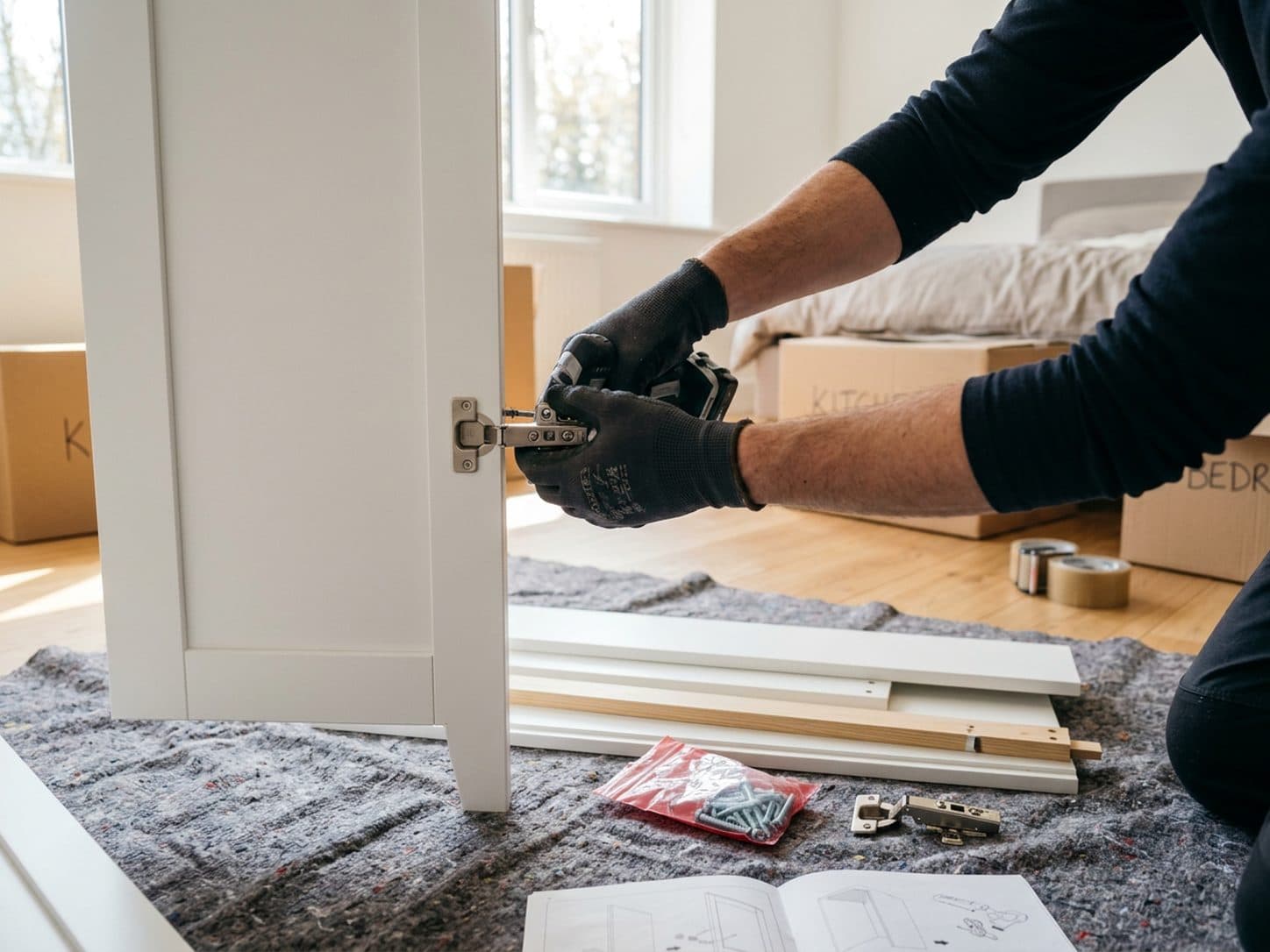
Bunk beds, tall wardrobes and sliding-door closets come apart for the stairwell and go back together at the other end. Tell us how many of each you have.
Unpacking and settling in
Boxes unpacked room by room, furniture placed where you want it and the packing waste taken away, so the first evening in the new home does not begin with a mountain of cartons.
Your first move after aliyah
A move inside Israel after landing, from a first rental or an absorption centre to your next home. We do not ship from abroad or clear lifts at the port.
Frequently asked questions
Can a moving truck reach my building in Ramat Beit Shemesh?+
Usually a truck can reach the street, but where it can stop is what counts. Send the street and building number, tell us whether there are steps, a driveway or a lift, and attach photos of the entrance. If the vehicle has to park further away, the movers carry the extra distance, which changes how long the job takes, so it is better to know before the day than on it.
How far ahead should I book a move in Beit Shemesh?+
As soon as you know the date. July and August, the weeks before the High Holidays and Pesach, and the turn of the month when many leases change over are the busiest windows. If your dates are flexible, say so: a Sunday-to-Thursday slot in the middle of the month is easier to arrange than a Friday or a month-end.
Do movers work on Fridays and Saturdays?+
Friday morning moves can be arranged, depending on the moving company's schedule. They finish early so that everyone is home before Shabbat, and in winter they have to start at first light. Shabbat and Jewish holidays are not moving days.
I am moving from Jerusalem to Beit Shemesh. Is that a local or a long-distance move?+
It is a regional move of about 35 km, normally done in one day with one load. The closed price reflects the volume, the floors and lifts at both ends and the access, rather than the distance alone. Timing matters more than kilometres, because of the rush hours on Route 1.
Can bunk beds and wardrobes be taken apart and put back together?+
Yes, disassembly and assembly can be added to the booking. List the beds, wardrobes and shelving units when you write to us, and mention anything with mirrors, sliding doors, glass or built-in lighting, which needs more care. Items that are glued or fixed into the wall cannot always be removed.
Do I need permission to park a moving truck on the street?+
Rules differ between municipalities and between streets, and they change, so we cannot quote one from here. Most Israeli municipalities run a 106 hotline, so start there, and ask your building committee about the entrance and the lift. If a permit is needed, tell us early so the date can be set around it.
Do I need to speak Hebrew to arrange a move in Beit Shemesh?+
No. You deal with MovingIL in English on WhatsApp. The moving company, the building committee and the lift booking often work in Hebrew, so we pass your details on and tell you what, if anything, you need to say or sign yourself.